Make Fewer Choices, Live More: Smart Defaults for Home and Work
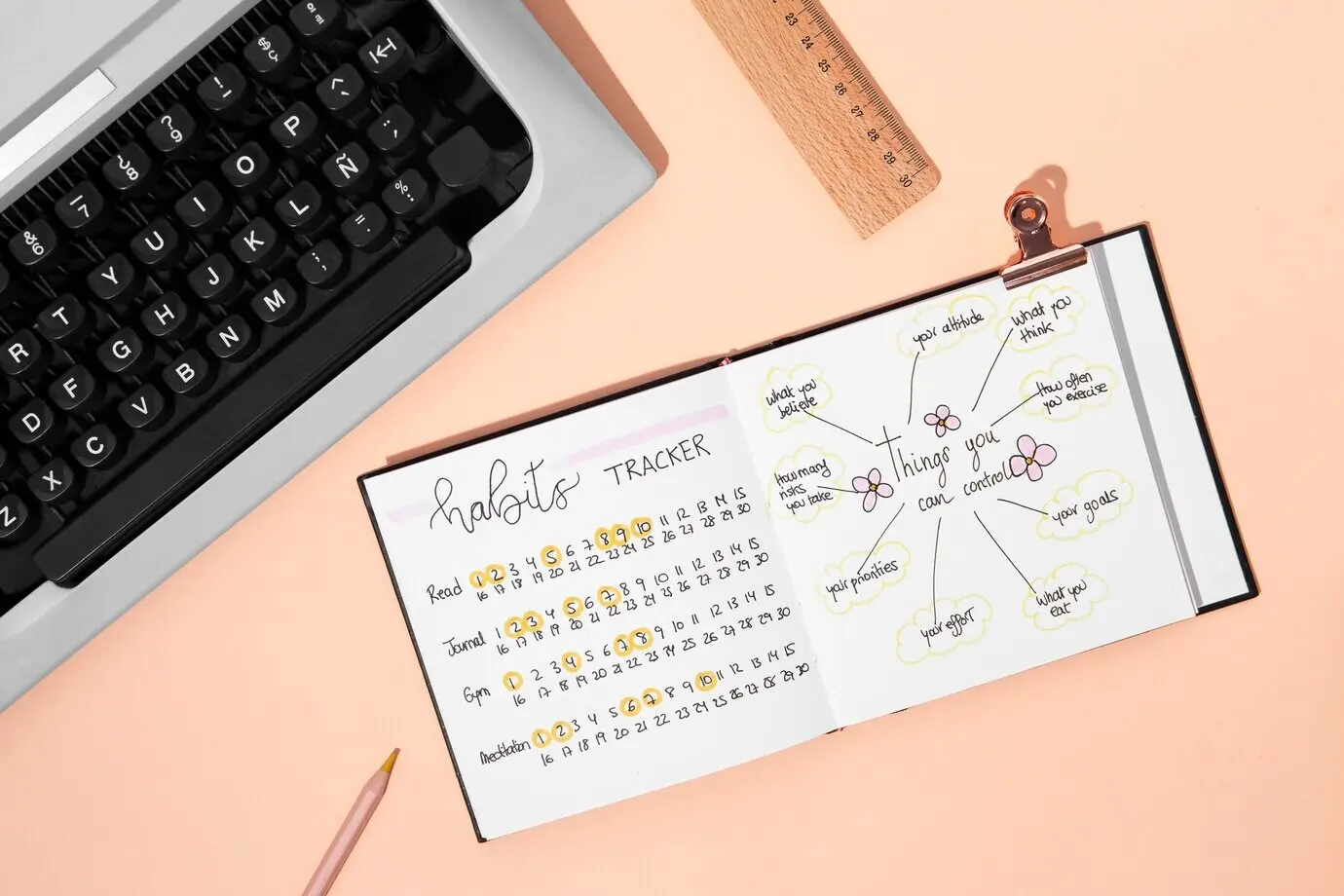
Today we dive into reducing decision fatigue with smart defaults at home and work. By pre-deciding routine details, you reclaim energy for creativity, relationships, and deep focus. Expect practical examples, gentle experiments, and stories from kitchens, calendars, and teams, plus prompts inviting your own small, courageous defaults. Share your ideas, ask questions, and tell us which single default you will test this week so others can learn from your experience.

Why Your Brain Loves Defaults

When every small choice pulls at limited attention, mental resources drain faster than you realize. Smart defaults act like well-placed guardrails, simplifying forks in the road before you even arrive. Studies on choice overload and the default effect show that preselected options increase follow-through, reduce procrastination, and protect willpower. Instead of surrendering autonomy, you design freedom by reserving deliberation for moments that truly matter.

Cognitive Bandwidth and the Cost of Micro-Choices

Each seemingly harmless decision—what to wear, which mug to choose, when to answer a message—adds friction to your day. Micro-choices accumulate like pebbles in your shoes, subtly slowing progress and souring motivation. Smart defaults remove repetitive forks, conserving attention for creative leaps. Start by observing when you hesitate most, then pre-decide once. Tell us the smallest choice you will automate before tomorrow morning.

Choice Architecture and the Power of the Preselected Option

Default settings influence behavior because they reduce effort and signal recommended paths. From retirement enrollments to privacy settings, the preselected box often wins. At home and work, set gentle starting points: a standard lunch, a meeting-free afternoon, or a preferred document template. Keep escape hatches available, yet make the easy thing the right thing. Share one preselection you will introduce to steer momentum kindly.

Home Practices That Quiet the Overloaded Mind

Domestic life teems with choices that seem trivial until they pile into overwhelm. A handful of stable defaults—meals, wardrobe, chores, and screen routines—can dissolve friction and create pockets of peace. Imagine opening the fridge to a ready plan, glancing at a simplified closet, or closing the evening with a consistent wind-down. These gentle anchors reduce arguments, prevent last-minute scrambles, and invite more laughter into ordinary moments.

Fridge-First Meals and a Weekday Menu Pattern

Decide once about structure, not recipes: Mondays are pasta plus salad, Tuesdays are stir-fry with rice, Wednesdays are soup and bread, and so on. Keep a short rotating list for each category, guided by what’s already in the fridge. A printed shopping default prevents midweek dashes. Leave one flexible night for experiments or leftovers. Tell us your simplest dinner rhythm and how it changed evening energy.

Wardrobe Formulas and Stress-Free Mornings

Create a signature outfit formula—two or three color families, trusted silhouettes, and seasonal layers. Store garments in ready-to-wear clusters, with socks and accessories bundled. A laundry cadence keeps the formula effortless. You are not removing creativity; you are consolidating it. On special days, consciously break the formula to celebrate. Share a photo or description of your go-to combination so others can borrow ideas with gratitude.

Workday Defaults That Protect Deep Focus

Modern workplaces reward responsiveness while penalizing scattered attention. Smart defaults shield your calendar, inbox, and collaboration tools, making focus the path of least resistance. Establish standard meeting windows, message triage rhythms, and document templates that accelerate ramp-up. You are not being rigid; you are creating clarity others can rely on. With explicit norms, colleagues relax, coordination improves, and your best hours go where they truly count.

Time-Blocked Calendars with Clear Office Hours

Reserve deep work blocks at the same times daily, mark them as busy, and place a short buffer before and after. Bundle meetings into defined windows. Default Friday afternoons for planning or learning. Publish your availability so teammates coordinate easily. When emergencies arise, swap blocks rather than delete them. What two hours tomorrow could become sacred focus territory? Declare it publicly to increase follow-through and accountability.

Message Protocols: Response Windows and Channel Norms

Define default response expectations: email within twenty-four hours, chat within four, urgent calls anytime. Route topics to the right channel by default—decisions in threads, drafts in docs, quick checks in chat. This reduces context switching and clarifies urgency. Add a shared glossary of tags like FYI, Action, and Decision. Invite your team to co-create norms; consensus builds trust and reduces anxiety about silence.

Template-First Documents and Repeatable Kickoffs

Begin with a project brief template that captures goals, scope, risks, roles, and milestones. Use checklists for onboarding, sprint planning, and retrospectives. A naming convention keeps files discoverable. Templates are living scaffolds: refine after each project. Defaulting to structure saves time while preventing blind spots. Drop your favorite template component in the comments so our community can assemble an open, evolving toolkit together.

Automation and Checklists That Think for You

Automation is intention written in code, while checklists are intention written in ink. Together they hold your plan when energy dips. Start with simple triggers—new invoices automatically filed, recurring bills paid, backups scheduled. Use tactile checklists where human judgment matters. The magic is not complexity but consistency. Build small, dependable systems today, and your future self will thank you with calmer mornings and effortless reliability.
Identify repeated annoyances and craft a rule: if the dishwasher is full after dinner, start it; if a task takes under two minutes, do it immediately; if a meeting lacks an agenda, reschedule. Automate digital equivalents with rules and filters. The aim is fewer negotiations with yourself. Share your favorite friction rule, and we will compile community-tested examples for everyone to adapt.
Borrow from aviation and medicine: checklists catch predictable mistakes when attention is thin. Create simple, ordered steps for trip prep, publishing, end-of-month finances, or closing the office. Keep them visible and brief. Review after each run to tighten wording. Celebrate the quiet confidence of nothing forgotten. Post one checklist you will draft tonight; others may refine it with practical, field-tested suggestions and kind encouragement.
Store go-to templates for emails, proposals, meeting notes, creative briefs, lesson plans, and onboarding guides. Label them clearly, include examples, and describe when to use each. A good template accelerates novices and frees experts to focus on nuance. Schedule quarterly pruning to keep quality high. What single template would save you an hour this week? Tell us, and we may build a shared version.

Shared Agreements at Home and in Teams

Defaults gain power when many people adopt them together. Explicit agreements reduce hidden expectations and recurring arguments. Decide ahead of time how chores rotate, when screens rest, which meetings are optional, and what constitutes urgent. Write the agreements, post them, and revisit them kindly. The goal is a culture where everyone can predict the next step and contribute without constant negotiation or guilt.

Measure, Refine, and Keep Joy at the Center

Simplicity should feel spacious, not sterile. Track a few indicators—decision count in hotspots, context switches per hour, time-to-start on important tasks, and end-of-day energy. Run small experiments, one default at a time, and review weekly. Keep celebration rituals, because progress compounds when noticed. Invite friends, family, or teammates to share wins. Your feedback here helps shape future playbooks and community challenges.
Time saved can hide in plain sight. Count how many choices precede getting started on work, dinner, exercise, or bedtime. Aim to reduce decision steps rather than merely speeding through them. A quick tally in your notes app reveals bottlenecks. After a week, share your most improved routine and what single default delivered the biggest lift, so others can replicate your surprisingly effective tweak.
Hold a short Friday review: which defaults served you, which felt heavy, and which need a gentle adjustment? Keep the helpful ones, tweak those with friction, and retire anything mismatched to current realities. Celebrate even tiny gains, because momentum loves acknowledgement. Comment with one default you will keep, one you will tweak, and one you will retire, inspiring honest iteration across our community.
Life shifts with seasons, projects, and moods. Plan quarterly resets to update menus, wardrobe formulas, meeting windows, and learning goals. Schedule joyful exceptions on purpose—vacations, spontaneous dinners, or creative rabbit holes—so flexibility feels invited, not forbidden. Defaults should liberate, not confine. Tell us your next planned exception and how your core routines will welcome it back with minimal friction and renewed enthusiasm.
Pakufazupozilevameze
Privacy Overview

This website uses cookies so that we can provide you with the best user experience possible. Cookie information is stored in your browser and performs functions such as recognising you when you return to our website and helping our team to understand which sections of the website you find most interesting and useful.